


Military Benefits App
4.662.00 Reviews
App Specs
- Version
- 1.0.11
- Updated On
- License
- Free
- Downloads
- 10,000+
- Developer
- Military Benefits App
- Categories
- Lifestyle
- Platform
- Android
Screenshots
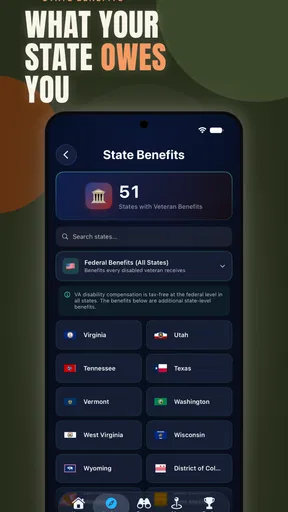
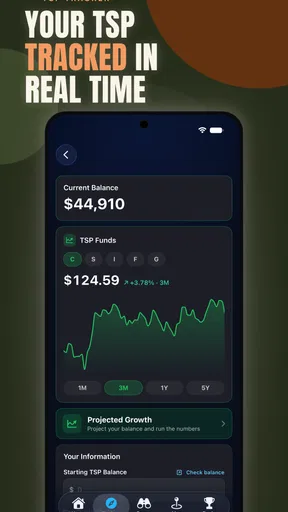
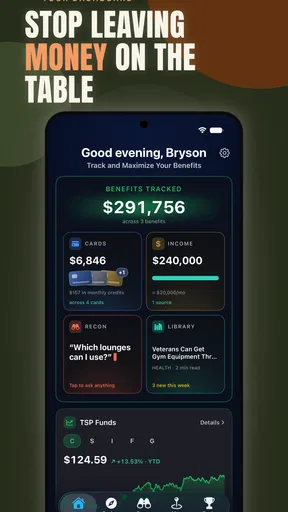
 Analysis by AppCompare
I came away from Military Benefits App with a fairly clear impression: it is most useful as a practical starting point for people who want military discounts and benefit information in one place, but it should be treated as a companion tool rather than the only source for an important eligibility decision. Its focus is narrow, which is a strength when you regularly look for service-related savings, and a limitation if you are expecting a complete benefits-management platform.
The app sits in the lifestyle category and is developed by Military Benefits App. It is free to download, carries an Everyone age rating, and is aimed at a broad audience connected to military life. The current release is version 1.0.11, and it runs on Android 8.0 or later. Those details make it accessible on many older phones, which matters for anyone who keeps a dependable device instead of upgrading frequently.
What the app is like to use in everyday life
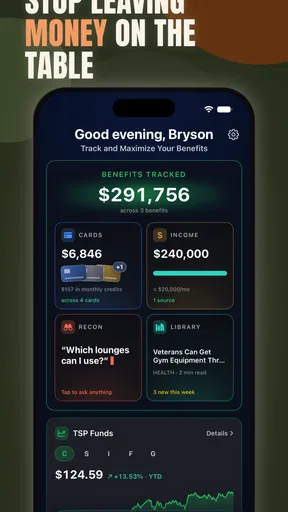
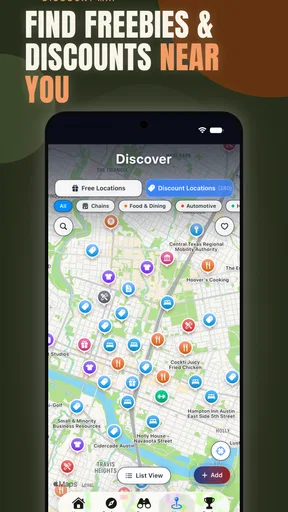
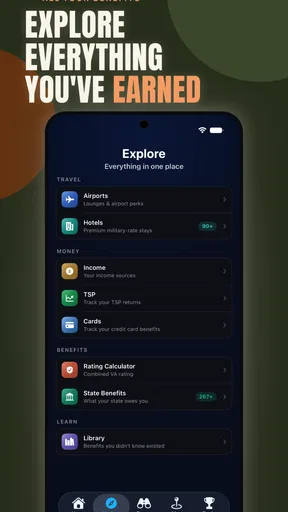
The central idea is simple: help users find discounts and keep track of benefits without having to search through scattered pages every time a question comes up. In practice, that makes the app most valuable during small, repeated moments rather than one dramatic research session. I can imagine opening it before a purchase, while planning a trip, or when checking whether a benefit is worth following up on.
That workflow is more useful than it may sound. Military-related discounts are often easy to forget because they are not part of a normal shopping routine. A person may know that a retailer, travel provider, or service offers a military rate, yet still fail to ask at checkout. Having a dedicated place to check encourages a habit: open the app before paying, compare the available option, and then confirm the requirements directly with the provider.
I also like the distinction between discovering a benefit and tracking it. A list of discounts is helpful once, but a tracking function can become more valuable over time because it gives the user a way to remember what deserves attention. That is especially relevant for households where one person handles shopping, another manages travel, and benefit details are easy to lose in messages, notes, or browser tabs.
The strongest reason to try it is convenience before verification. The app can reduce the time spent figuring out where to begin, while the final confirmation should still come from the business or organization offering the benefit. That balance is important: the app can improve discovery and organization without replacing the responsibility to check current terms, eligibility, identification requirements, or local restrictions.
A realistic shopping and travel routine
Consider a service member or military family preparing for a weekend trip. Instead of searching the web separately for lodging, transportation, food, and local activities, the user can begin with the app’s benefit-focused approach. They can note which opportunities look relevant, decide which ones are worth investigating, and then contact or check the provider before making a reservation.
Worth Reading Before You Choose

EA SPORTS FC Mobile 26 Is a Bigger Football Game, but It Takes Time

Flipboard Shows What News Apps Must Do Beyond the Feed

Switching to Android Auto Means Rethinking Your Driving Routine

Google Calendar Makes a Crowded Week Easier to Manage

Ludo King Makes the Most of the Minutes Between Plans

Baby Panda World Brings Quick Play to Modern Phones, but Its Game Library Feels Busy
The useful trick here is to treat the app as a shortlist builder. I would not assume that every discount shown will be the best available price, and I would not book something solely because it appears connected to a military offer. I would compare the final total, cancellation terms, location, and eligibility conditions. A discount percentage can look attractive while another ordinary promotion produces a lower overall cost.
For shopping, the same method works in a smaller time frame. Before completing a purchase, I would search the app for a relevant opportunity, save the detail in my own notes if needed, and ask the seller how the discount is applied. Some offers may require proof of service or may only work through a particular channel. Checking that before reaching the payment screen avoids the most frustrating outcome: assuming a benefit applies and discovering too late that the process is different.
Where the benefit-tracking idea makes a difference
A less obvious advantage is that tracking can help separate “interesting” benefits from “useful to me” benefits. I would organize my attention around recurring expenses first. A discount connected to something I buy or use regularly has more practical value than a one-time offer that requires a long detour or complicated sign-up.
Another smart workflow is to review the app before predictable events rather than opening it only when money is already being spent. I would check before moving, traveling, replacing a large household item, or planning a family outing. That gives enough time to understand any conditions and avoids making a rushed decision based on a headline.
The app can also serve as a conversation aid. If a cashier, hotel representative, or customer-service agent is unfamiliar with a military benefit, having the relevant information ready may make the discussion easier. Still, I would keep expectations realistic. The app may point me toward an opportunity, but the provider controls the final application of its own offer.
The main limitation: convenience does not guarantee completeness
My biggest reservation is not about the concept; it is about how users may interpret it. A benefits app can feel authoritative simply because it gathers information in one interface. That creates a risk of overconfidence. Offers can have conditions, geographic limits, expiration rules, or eligibility details that matter more than the short summary a user sees first.
For that reason, I would use the app in two stages. First, use it to discover and organize possibilities. Second, verify the exact terms with the provider before relying on the saving. This extra step slightly reduces the speed advantage, but it is the sensible trade-off for purchases involving travel, subscriptions, or a significant amount of money.
There is also a difference between a useful directory and a full personal benefits manager. If you need detailed records, official case management, document storage, or a complete view of every benefit connected to your circumstances, this app may not be enough on its own. A government portal, official military resource, or direct conversation with a qualified representative is the better choice for formal eligibility questions and personal records.
That does not make the app unnecessary. It simply defines its role more accurately. I see it as a discovery and organization layer, not as a replacement for official guidance. Users who understand that distinction are more likely to get real value from it and less likely to be disappointed by what any single lifestyle app can provide.
What the ratings and access details suggest
The app has a 4.6 average from around 1.2 thousand ratings, with roughly 59 written reviews, and it has passed 10 thousand installs. Those figures suggest that it has attracted a meaningful early audience and that users generally respond positively to its purpose. I would read that as encouraging, but not as proof that every benefit is current or equally useful in every location.
The free entry point is another practical advantage. Someone can install it and decide whether its organization fits their routine without paying upfront. At the same time, the app includes optional purchases ranging from $12.99 to $59.99 per item. I would pay close attention to what any purchase unlocks before committing, especially because the basic free experience should be judged on its own usefulness first.
For families sharing information, the Everyone rating makes the app approachable across a household. That does not mean every benefit will apply to every family member; eligibility remains personal and may depend on service status or the provider’s rules. The age classification describes the app’s general content, not the user’s qualification for a particular offer.
Who will get the most from it
I would recommend trying it if you are connected to the military community and often feel that you are missing discounts simply because you do not know where to look. It is also a sensible fit for people who prefer an app-based checklist over repeatedly searching the web. The value grows when you have recurring travel, household purchases, or family planning tasks where a small saving can add up across several decisions.
It may be particularly useful for someone new to military discounts. Rather than needing to know the names of every provider or program in advance, that user gets a more focused place to begin. The app can help turn vague awareness—“there may be a military rate”—into a concrete next step: identify the offer, review the conditions, and ask the provider how to claim it.
I would also consider it worthwhile for a partner or family member who handles everyday spending but does not personally manage service paperwork. The app’s lifestyle orientation can make benefit discovery part of normal household planning instead of leaving it entirely to the service member. That said, both people should agree on which offers are genuinely relevant and who will verify them.
Who should choose another tool instead
I would skip it if you are looking for official case handling, personalized legal or financial advice, or a definitive answer about a complicated eligibility situation. Those needs call for direct official resources or a qualified professional. An app designed around finding discounts and tracking benefits is not the right place to settle a disputed status or interpret an important rule.
I would also be cautious if you dislike checking details yourself. The app can save search time, but it does not remove the need for judgment. If you want a service that automatically guarantees the lowest price or applies every discount without speaking to a provider, this is unlikely to match that expectation.
Likewise, users outside the military community may find the narrow focus less relevant than a general coupon, price-comparison, or travel-rewards app. Those alternatives may offer broader shopping coverage. Their weakness, from my perspective, is that they are less centered on military-specific discovery, so the better choice depends on whether relevance or breadth matters more to you.
How I would use it without wasting time
I would begin with a specific need, such as an upcoming trip or a planned household purchase, rather than browsing every possible benefit.
I would separate offers that match my actual location and spending habits from those that are merely interesting.
I would check the provider’s current requirements before assuming the saving applies, including any proof-of-service process.
I would compare the final price with ordinary promotions, loyalty offers, and nearby alternatives instead of focusing only on the military label.
I would use the tracking side for benefits I expect to revisit, while keeping important official information in the relevant government or provider account.
This approach turns the app into a practical filter rather than another place to collect unused information. The non-obvious advantage is discipline: tracking fewer, more relevant benefits can be more helpful than saving every offer that appears attractive. It also makes it easier to notice whether the app is genuinely saving time and money in your own routine.
My final recommendation
Military Benefits App is a focused lifestyle utility with a sensible purpose. I like that it brings discount discovery and benefit tracking closer to the moment when people actually need them. The free download, broad device compatibility, and straightforward military focus make it easy to test, while the positive 4.6 average indicates that many early users find the concept worthwhile.
My recommendation comes with one important condition: use it as a research assistant, not as the final authority. Confirm the terms, compare the total cost, and rely on official channels for personal eligibility or formal benefit questions. If you follow that approach, the app can become a useful pre-purchase habit for military families and service-connected users.
For me, the clearest verdict is that it earns a place on the phone of someone who regularly looks for military discounts but wants a more organized starting point. It is less suitable for people needing comprehensive benefits administration or guaranteed savings. Within its intended lane, however, it offers a practical way to turn overlooked opportunities into decisions worth checking.
Pros
- Centralizes military discounts
- benefits
- and resources in one place.
- Useful for active-duty members
- veterans
- and eligible family members.
- Can help users discover savings they might otherwise overlook.
- Portable access makes benefit information available while traveling.
- May simplify finding support services and military-focused programs.
Cons
- Eligibility rules can vary widely between providers and locations.
- Some offers may expire or change without immediate notice.
- Coverage may be limited outside major cities or military communities.
- Users may still need separate verification or membership documents.
- The app’s usefulness depends on the accuracy of listed participating businesses.
FAQs for Military Benefits App
What is the Military Benefits App used for?
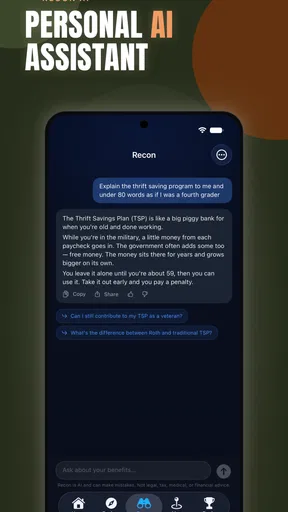
The Military Benefits App is designed to help service members, veterans, retirees, and eligible family members find and understand military-related benefits in one place. Depending on the version and provider, it may include information about healthcare, education, housing, financial assistance, discounts, insurance, and support services. It is best used as an information and organization tool rather than a substitute for official government guidance.
Who can use the Military Benefits App?
Access generally depends on the app’s provider and the type of benefits it covers. Active-duty personnel, veterans, National Guard and Reserve members, retirees, spouses, dependents, and surviving family members may find relevant information. Some features may be available to everyone, while personalized services could require military affiliation, eligibility verification, an account, or official identification. Check the app’s requirements before registering.
Does the app officially approve or guarantee military benefits?
No application should be assumed to approve benefits or guarantee eligibility unless it is clearly operated by the responsible government agency. The Military Benefits App may explain programs, provide links, organize documents, or help users begin an application, but final decisions are made by the appropriate military or government authority. Always confirm deadlines, eligibility rules, and application status through official sources.
Is my personal and military information safe in the app?
Before entering sensitive information, review the app’s privacy policy, developer details, permissions, and security practices. Military-related accounts can involve personal identification, service records, healthcare information, or financial data, so users should avoid submitting information through unofficial links or unsecured networks. Use a strong password, enable available security features, keep the app updated, and download it only from a trusted store.
Is the Military Benefits App free to download and use?
The app may be free to download, but availability of specific services, external programs, or optional features can vary. Some benefits themselves may also have separate eligibility requirements, fees, enrollment costs, or application charges. Review the store listing and in-app terms carefully before proceeding. Be especially cautious of services requesting payment for information that is normally available directly from official agencies.


